Graffiti
| ইংরেজি শব্দ | বাংলা অর্থ |
| art | শিল্প |
| comfort | সান্ত্বনা / আরাম |
| disturb | অস্থির করা / ব্যথিত করা |
| pseudonymous | ছদ্মনামী |
| street artist | রাস্তার শিল্পী |
| sentiment | অনুভূতি |
| encapsulate | ধারণ করা / সংক্ষেপে অন্তর্ভুক্ত করা |
| defiance | প্রতিবাদ / অবাধ্যতা |
| graffiti | দেয়াললিপি / গ্রাফিতি |
| unarmed | নিরস্ত্র |
| organizer | সংগঠক |
| quota reform | কোটা সংস্কার |
| shell‑shocked | হতভম্ব / স্তব্ধ |
| regime | শাসনব্যবস্থা |
| resistance | প্রতিরোধ |
| spray‑painted | স্প্রে পেইন্টে লেখা |
| slogan | স্লোগান / শ্লোগান |
| means of protest | প্রতিবাদের মাধ্যম |
| repressive | দমনমূলক |
| approach | কাছে আসা |
| mole / muskra | গুপ্তচর / ছদ্মবেশী ব্যক্তি |
| pretend | ভান করা |
| disguise | ছদ্মবেশ / গোপন রাখা |
| guerrilla tactic | গেরিলা কৌশল |
| dissent | ভিন্নমত / প্রতিবাদ |
| Liberation War | মুক্তিযুদ্ধ |
| autocracy | স্বৈরাচার |
| misspelling | বানান ভুল |
| underscore | জোর দেওয়া / গুরুত্ব বোঝানো |
| uprising / protest | আন্দোলন / বিক্ষোভ |
| In recent times | সাম্প্রতিক সময়ে |
| resurface | পুনরায় প্রকাশ পাওয়া / আবার দেখা দেওয়া |
| powerful expression | শক্তিশালী প্রকাশভঙ্গি |
| dissent | ভিন্নমত / প্রতিবাদ |
| particularly | বিশেষভাবে |
| uprising | আন্দোলন / বিদ্রোহ |
| spray‑painted messages | স্প্রে-পেইন্ট করা বার্তা |
| invoked | উত্থাপন করা / স্মরণ করানো |
| legacy | ঐতিহ্য / উত্তরাধিকার |
| past movements | অতীতের আন্দোলনগুলো |
| echoing | প্রতিধ্বনিত করা / স্মৃতির অনুরণন |
| iconic | প্রতীকী / ঐতিহাসিকভাবে পরিচিত |
| Let Democracy Be Free | গণতন্ত্রকে মুক্ত হতে দাও |
| famously | বিখ্যাতভাবে / সুপরিচিতভাবে |
| protester | প্রতিবাদকারী |
| regime | শাসনব্যবস্থা / শাসনামল |
| stroke of paint | প্রতিটি তুলির আঁচড় / রঙের প্রতিটি দাগ |
| carried forward | সামনে এগিয়ে নিয়ে যাওয়া |
| history of defiance | প্রতিবাদের ইতিহাস |
| shaped | গঠন করেছে |
| political landscape | রাজনৈতিক প্রেক্ষাপট |
| drawing connections | সংযোগ তৈরি করা / সম্পর্ক স্থাপন |
| present struggles | বর্তমান সংগ্রাম |
| justice | ন্যায় / ন্যায়বিচার |
| potency | শক্তি / কার্যক্ষমতা |
| subversive | বিধ্বংসী / বিদ্রোহী |
| guerrilla nature | গেরিলা বৈশিষ্ট্য / আক্রমণাত্মক গোপন ধরন |
| unlike | বিপরীতভাবে / ভিন্নভাবে |
| sanctioned | অনুমোদিত |
| thrives on | নির্ভর করে বৃদ্ধি পাওয়া |
| immediacy | তাৎক্ষণিকতা |
| spontaneity | স্বতঃস্ফূর্ততা |
| persecution | নিপীড়ন / অত্যাচারের ঝুঁকি |
| anonymity | বেনামি থাকা |
| detection | সনাক্তকরণ |
| challenge power | ক্ষমতার বিরুদ্ধে চ্যালেঞ্জ ছোড়া |
| counter surveillance | নজরদারির বিরুদ্ধে পাল্টা নজরদারি |
| inscribe | লিপিবদ্ধ করা / লিখে রাখা |
| censored / suppressed | সেন্সর করা / দমন করা |
| new dimensions | নতুন মাত্রা |
| medium of dissent | প্রতিবাদের মাধ্যম |
| defied erasure | মুছে ফেলার প্রচেষ্টাকে অমান্য করা |
| embodying | ধারণ করা / প্রকাশ করা |
| collective rage | সম্মিলিত ক্রোধ |
| revolutionary solidarity | বিপ্লবী সংহতি |
| cries for justice | ন্যায়ের দাবিতে আহ্বান |
| assertion | বক্তব্য / দৃঢ় দাবি |
| must not be silenced | নীরব করা যাবে না |
| sense of inclusivity | অন্তর্ভুক্তির অনুভূতি |
| marginalized | উপেক্ষিত / প্রান্তিক |
| minoritized | সংখ্যালঘুতে পরিণত করা |
| instances | ঘটনাসমূহ |
| carried a broader message | বৃহত্তর বার্তা বহন করেছে |
| liberation | মুক্তি |
| symbolizing | প্রতীকায়িত করা |
| interconnected struggles | পরস্পর সংযুক্ত সংগ্রাম |
| underscored | জোরালোভাবে তুলে ধরা |
| intertwined | জড়িয়ে থাকা / সংযুক্ত |
| uniting people | মানুষকে একত্র করা |
| resilience | স্থিতিস্থাপকতা / টিকে থাকার ক্ষমতা |
| revolutionary memory | বিপ্লবী স্মৃতি |
| collective consciousness | সামষ্টিক চেতনা |
| marginalized endure | প্রান্তিক মানুষের সহ্য করা অবস্থা |
| comforts the disturbed | ব্যথিতকে সান্ত্বনা দেয় |
| disturbs the comfortable | স্বস্তিতে থাকা মানুষকে নাড়া দেয় |
| powerful tool | শক্তিশালী মাধ্যম |
| resistance | প্রতিরোধ |
| dissent | ভিন্নমত / অসন্তোষ |
| political movements | রাজনৈতিক আন্দোলন |
| interconnected struggles | পারস্পরিকভাবে যুক্ত সংগ্রাম |
| regions | অঞ্চলসমূহ |
| illustrate | ব্যাখ্যা করা / উদাহরণ দিয়ে দেখানো |
| purpose | উদ্দেশ্য |
| creation | সৃষ্টি / তৈরি |
| risks involved | সংশ্লিষ্ট ঝুঁকি |
| subversive | বিধ্বংসী / বিদ্রোহী |
| guerrilla form of expression | গেরিলা ধরনের অভিব্যক্তি |
| immediacy | তাৎক্ষণিকতা |
| anonymity | বেনামি থাকা |
| politically charged contexts | রাজনৈতিকভাবে উত্তেজনাপূর্ণ পরিবেশ |
| characteristics | বৈশিষ্ট্য |
| essential | অপরিহার্য |
| collective memory | সামষ্টিক স্মৃতি |
| preserve | সংরক্ষণ করা |
| marginalized communities | প্রান্তিক জনগোষ্ঠী |
| enduring form | দীর্ঘস্থায়ী রূপ |
| censorship | সেন্সরশিপ / দমননীতি |
| significant form of expression | গুরুত্বপূর্ণ অভিব্যক্তির রূপ |
| oppression | নির্যাতন / দমন |
| role | ভূমিকা |
| challenging power | ক্ষমতার বিরুদ্ধে চ্যালেঞ্জ ছোঁড়া |
| context | প্রেক্ষাপট |
| spontaneous | স্বতঃস্ফূর্ত |
| organized artistic expressions | সংগঠিত শিল্প অভিব্যক্তি |
| support your argument | আপনার যুক্তিকে সমর্থন করুন |
| design | নকশা / তৈরি করা |
| expresses your message | আপনার বার্তা প্রকাশ করে |
| resistance | প্রতিরোধ |
| solidarity | সংহতি |
| demand for change | পরিবর্তনের দাবি |
| symbolism | প্রতীকী অর্থ |
| color choices | রঙের নির্বাচন |
| reflect the message | বার্তা প্রতিফলিত করা |
| convey to the public | জনসাধারণের কাছে পৌঁছে দেওয়া |
বাংলায় অনুবাদ
A. পাঠ্যাংশটি পড়ো এবং পরবর্তী কার্যাবলি সম্পন্ন করো।
“শিল্প যেন ব্যথিতকে সান্ত্বনা দেয় এবং স্বস্তিতে থাকা মানুষকে ব্যথিত করে তোলে,” লিখেছেন ছদ্মনামী স্ট্রিট আর্টিস্ট ব্যাংসি—একটি অনুভূতি যা গ্রাফিতির প্রতিবাদী চেতনাকে ধারণ করে।
গ্রাফিতি
১৬ জুলাই ২০২৪-এ, আবু সাঈদ, রংপুরের বেগম রোকেয়া বিশ্ববিদ্যালয়ে কোটা সংস্কার আন্দোলনের একজন নিরস্ত্র সংগঠক, পুলিশের গুলিতে নিহত হন যখন তিনি দুই হাত প্রসারিত করে দাঁড়িয়েছিলেন। তার মা মনোয়ারা বেগম হতবিহ্বল হয়ে চিৎকার করে কাঁদছিলেন, “আমার ছেলের শুধু একটা চাকরি চাওয়া ছাড়া অন্য কোনো দাবি ছিল না; চাকরি দিতে না চাইলে দিও না—কিন্তু তাকে হত্যা করলে কেন?”
১৯৬০-এর দশক থেকে, বাংলাদেশে গ্রাফিতি প্রতিরোধের একটি শক্তিশালী কণ্ঠ হিসেবে কাজ করেছে। ১৯৬৬ সালে, ছাত্র আন্দোলনকারীরা দেয়ালে স্প্রে-পেইন্ট করে লিখেছিল “ডাউন উইথ আইয়ুব খান” — এভাবেই গ্রাফিতি দমনমূলক শাসনের বিরুদ্ধে প্রতিবাদের একটি মাধ্যম হয়ে ওঠে। যখন সরকারি বাহিনী এগিয়ে আসত, তারা চিৎকার করে বলত “চিকা! চিকা!”—একটি শব্দ যার অর্থ মোল বা মুসকরা—অর্থাৎ তারা তাদের সনাক্ত করতে চাওয়া ব্যক্তিদের ভুল পথে পরিচালিত করত। এই গেরিলা কৌশল গ্রাফিতিকে ভিন্নধর্মী প্রতিবাদের সূচনা বিন্দুতে পরিণত করে, যা অসন্তোষের প্রতীক হয়ে উঠে এবং ১৯৭১ সালের মুক্তিযুদ্ধে গুরুত্বপূর্ণ ভূমিকা রাখে।
ক্যাপশন
নূর হোসেন, যার শরীরে লেখা ছিল “স্বৈরাচার নীচে নামাও”; বাংলায় বানানটি ছিল “নীচে নামাও”—যেখানে লিখনের ভুলটি তার প্রতিবাদকে আরও জোরালো করে তোলে। ১০ নভেম্বর ১৯৮৭-তে, দিনু আলম তাকে ঢাকা শহরে এক বিক্ষোভে ছবি তোলেন; shortly after, তিনি পুলিশের গুলিতে নিহত হন।
সাম্প্রতিক সময়ে, গ্রাফিতি আবারও প্রতিবাদ ও ভিন্নমতের এক শক্তিশালী প্রকাশভঙ্গি হিসেবে ফিরে এসেছে, বিশেষ করে জুলাইয়ের আন্দোলনের সময়। স্প্রে-পেইন্ট করা বার্তাগুলো—যেমন “The country is nobody’s father’s” (দেশ কারো বাপের নয়)—অতীতের আন্দোলনের উত্তরাধিকারকে স্মরণ করিয়ে দিয়েছে, প্রতিধ্বনিত করেছে আইকনিক “Gononotro Mukti Paak” (গণতন্ত্র মুক্তি পাক)–এর আহ্বানকে, যা এরশাদ শাসনামলে প্রতিবাদকারী নূর হোসেনের দেহে লেখা হয়েছিল।
রঙের প্রতিটি আঁচড় বহন করেছে প্রতিবাদের এক দীর্ঘ ইতিহাস, যা বাংলাদেশের রাজনৈতিক প্রেক্ষাপটকে গড়ে তুলেছে এবং অতীত ও বর্তমানের ন্যায়বিচারের সংগ্রামের মধ্যে সংযোগ স্থাপন করেছে।
গ্রাফিতির শক্তি লুকিয়ে আছে তার বিদ্রোহী, গেরিলা স্বভাবের মধ্যে। দেয়ালচিত্রের মতো সুসংগঠিত ও অনুমোদিত শিল্পের বিপরীতে, গ্রাফিতি টিকে থাকে তাৎক্ষণিকতা, স্বতঃস্ফূর্ততা এবং নিপীড়নের ঝুঁকি সত্ত্বেও। যেখানে দেয়ালচিত্র তৈরি করতে সময় ও যত্ন প্রয়োজন হতে পারে, সেখানে গ্রাফিতি সাধারণত দ্রুত তৈরি হয়, কারণ ধরা পড়ে যাওয়ার আশঙ্কায় বেনামি থাকা জরুরি। এর উদ্দেশ্য হলো ক্ষমতার বিরুদ্ধে চ্যালেঞ্জ ছোড়া, নজরদারির বিরুদ্ধে প্রতিরোধ গড়া, এবং এমন বার্তা লিখে যাওয়া যা সাধারণত দমন বা সেন্সর করা হয়।
জুলাইয়ের আন্দোলন এই প্রতিবাদের মাধ্যমটিতে নতুন মাত্রা যুক্ত করেছে। স্প্রে-পেইন্ট করা স্লোগানগুলো মুছে ফেলার চেষ্টাকে অস্বীকার করেছে, প্রতিফলিত করেছে সম্মিলিত ক্রোধ ও বিপ্লবী সংহতি। “Ek dofa, ek dabi, shoirachar tui kobe jabi?”-এর মতো দাবিগুলো ন্যায়বিচারের আহ্বানে পরিণত হয়, প্রতিধ্বনিত করে ফরাসি দার্শনিক জ্যাক দেরিদার উক্তি—“যা বলা যায় না… তাকে নীরব করা যাবে না; তাকে লেখা প্রয়োজন।”
অন্তর্ভুক্তির গভীর অনুভূতিও প্রতিফলিত হয়েছিল জুলাই আন্দোলনের সময় ও পরে তৈরি হওয়া দেয়ালচিত্র ও গ্রাফিতিতে, যা প্রান্তিক ও সংখ্যালঘু মানুষের অভিজ্ঞতাকে সামনে এনেছিল। অসংখ্য গ্রাফিতি ও দেয়ালচিত্র শুধু ন্যায়বিচারের আহ্বানই জানায়নি; বরং আরও বৃহত্তর মুক্তির বার্তা বহন করেছে—“এক জাতির দেশ নয়, বহু জাতির বাংলাদেশ”—যা সব সম্প্রদায়ের আন্তঃসংযুক্ত সংগ্রামকে প্রতীকায়িত করে। এটি বার্তাটিকে আরও দৃঢ় করেছে: আমাদের সামষ্টিক মুক্তি সংযুক্ত মানুষের সম্মিলিত ন্যায়বিচারের লড়াইয়ের সঙ্গে, যা বিভিন্ন অঞ্চল ও পটভূমির মানুষকে এক করে।
গ্রাফিতির প্রকৃত শক্তি তার স্থিতিস্থাপকতায়; এটি বিপ্লবী স্মৃতি ও সামষ্টিক চেতনা টিকিয়ে রাখার একটি মাধ্যম হিসেবে টিকে থাকে। এটি নীরব করা মানুষদের পক্ষ নেয়, নিশ্চিত করে যে প্রান্তিক মানুষের সংগ্রামকে স্মরণ করা হয়। এবং ব্যাংসির কথায়, শিল্প ব্যথিতকে সান্ত্বনা দেয়, আবার স্বস্তিতে থাকা মানুষকে অস্বস্তিতে ফেলে—গ্রাফিতিও ঠিক তেমন।
B. পাঠ্যাংশ পড়ে নিচের প্রশ্নগুলোর উত্তর দাও:
- কীভাবে গ্রাফিতি একটি শক্তিশালী প্রতিরোধ ও ভিন্নমতের হাতিয়ার হিসেবে কাজ করে, বিশেষ করে রাজনৈতিক আন্দোলনে?
১৯৬০-এর দশক থেকে ২০২৪ সালের জুলাই আন্দোলন পর্যন্ত বাংলাদেশের প্রেক্ষাপটে এর ভূমিকার তুলনা করো। - কীভাবে গ্রাফিতি বিভিন্ন সম্প্রদায় ও অঞ্চলের ন্যায়বিচারের আন্তঃসংযুক্ত সংগ্রামকে প্রতিফলিত করে?
“সমতল থেকে পাহাড়—সবাই মুক্তির দাবিতে”—এ ধরনের স্লোগানগুলো কীভাবে এই বার্তাকে তুলে ধরে? - গ্রাফিতি এবং দেয়ালচিত্র কোন কোন দিক দিয়ে ভিন্ন—তাদের উদ্দেশ্য, তৈরি করার প্রক্রিয়া, এবং জড়িত ঝুঁকির দিক থেকে?
কোন কারণে গ্রাফিতিকে আরও বিদ্রোহী, গেরিলা ধাঁচের প্রকাশ বলা হয়? - গ্রাফিতি তৈরিতে তাৎক্ষণিকতা ও বেনামি থাকা কী ভূমিকা পালন করে, বিশেষ করে রাজনৈতিকভাবে উত্তেজনাপূর্ণ পরিস্থিতিতে?
এই বৈশিষ্ট্যগুলো কেন এর কার্যকারিতার জন্য গুরুত্বপূর্ণ? - সাম্প্রতিক বিক্ষোভগুলোতে যেমন দেখা গেছে, কীভাবে গ্রাফিতি সামষ্টিক স্মৃতি ধরে রাখতে এবং প্রান্তিক জনগোষ্ঠীর সংগ্রামকে সংরক্ষণে সহায়তা করে?
সেন্সরশিপের মুখেও কোন কারণে এটি দীর্ঘস্থায়ী প্রকাশের মাধ্যম হয়ে থাকে?
C. রচনামূলক কার্যক্রম:
গ্রাফিতি রাজনৈতিক আন্দোলনে, বিশেষ করে দমনমূলক সময়গুলোতে, একটি গুরুত্বপূর্ণ প্রকাশের মাধ্যম হিসেবে বিবেচিত হয়ে এসেছে।
গ্রাফিতি কীভাবে সেন্সরশিপ প্রতিরোধ এবং ক্ষমতার চ্যালেঞ্জের মাধ্যম হিসেবে কাজ করে—বাংলাদেশের ইতিহাসের আলোকে একটি ছোট প্রবন্ধ লেখো।
এছাড়াও বিশ্লেষণ করো—
গ্রাফিতি কীভাবে স্বতঃস্ফূর্ত ও গেরিলা ধরনের প্রকাশ হিসেবে দেয়ালচিত্রের মতো আরও সংগঠিত শিল্পমাধ্যম থেকে ভিন্ন।
পাঠ্যাংশ থেকে উদাহরণ ব্যবহার করো, বিশেষ করে জুলাই আন্দোলনের সময়কার স্লোগানগুলো থেকে, তোমার যুক্তিকে শক্তিশালী করতে।
D. দলগত কাজ: গ্রাফিতি বা দেয়ালচিত্র প্রকল্প
তোমাদের দলগত কাজে—
একটি গ্রাফিতি বা দেয়ালচিত্র ডিজাইন করো, যা তোমাদের বার্তা প্রকাশ করবে—
প্রতিরোধ, সংহতি, বা পরিবর্তনের দাবি।
রঙ, চিহ্ন, এবং লেখা নির্বাচন করার সময় নিশ্চিত করো যে এগুলো তোমাদের বার্তাকে সঠিকভাবে তুলে ধরে।
তারপর ব্যাখ্যা করো তোমাদের ডিজাইনের সিদ্ধান্তগুলো এবং সেগুলো কীভাবে জনগণের কাছে তোমরা যে বার্তা পৌঁছাতে চাও, তা প্রতিফলিত করে।
Answer the following questions based on your reading of the passage
1. How does graffiti serve as a powerful tool of resistance and dissent, especially in political movements? Compare its role in Bangladesh from the 1960s to the July uprising of 2024.
Graffiti has long functioned as a direct, bold, and public form of resistance because it allows people to express dissent in spaces that are highly visible yet outside institutional control.
In Bangladesh during the 1960s, graffiti appeared as spray‑painted slogans such as “Down with Ayub Khan”, becoming a tool for student protestors to challenge authoritarian rule. It was fast, subversive, and able to bypass censorship.
By the July uprising of 2024, graffiti again emerged as a major medium of protest, expressing anger, solidarity, and demands for justice. The messages reflected not just resistance to state violence, but also collective unity across diverse groups. This shows that over the decades, graffiti has remained a consistent method for the public to resist oppression, challenge political power, and communicate demands for change.
2. How does graffiti reflect the interconnected struggles for justice across different communities and regions? How do slogans like “From the plains to the hills, this time liberation is for all” illustrate this message?
Graffiti reflects interconnected struggles by highlighting that injustice is not limited to one group but shared across many communities. When protest messages appear in public spaces, they unite people who face different forms of inequality under a shared cause.
The slogan “From the plains to the hills, this time liberation is for all” illustrates this unity. It emphasizes that people from different regions—regardless of ethnicity, language, or geography—are connected in their demand for freedom and justice. Graffiti therefore becomes a bridge linking diverse struggles into one collective movement.
3. In what ways do graffiti and wall art differ in terms of their purpose, creation, and the risks involved? What makes graffiti a more subversive, guerrilla form of expression?
Purpose:
- Graffiti is meant to challenge authority, resist censorship, and spread messages quickly.
- Wall art is often more organized, decorative, or officially permitted.
Creation:
- Graffiti is created rapidly, often at night, with minimal tools.
- Wall art takes time, planning, and often collaboration.
Risks:
- Graffiti involves high risk because it is usually illegal, created without permission, and can lead to punishment.
- Wall art is comparatively safe and often sanctioned.
Why graffiti is more subversive:
Graffiti’s spontaneity, speed, anonymity, and defiance of restrictions make it a guerrilla-style form of expression. It disrupts controlled public spaces and resists systems of surveillance and censorship.
4. What role do immediacy and anonymity play in the creation of graffiti, especially in politically charged contexts? Why are these characteristics essential to its effectiveness?
Immediacy allows protestors to respond quickly to political events, capturing the urgency of the moment. Graffiti can appear overnight and instantly spread messages that traditional media might censor.
Anonymity protects the creators from retaliation, especially under oppressive or violent political conditions. It allows people to speak the truth without exposing themselves to danger.
These characteristics are essential because they
- ensure the message reaches the public rapidly,
- protect individuals from persecution,
- prevent the state from controlling or suppressing the message, and
- maintain graffiti as a fearless and independent voice of resistance.
5. How can graffiti contribute to collective memory and preserve the struggles of marginalized communities, as seen in the recent protests? What makes it an enduring form of expression, even in the face of censorship?
Graffiti preserves collective memory by recording struggles, slogans, and stories directly onto public spaces. It ensures that marginalized voices—often ignored or silenced in official narratives—remain visible to society.
In recent protests, graffiti documented the demands, grief, anger, and unity of communities that have historically been excluded. Because it appears in public places, it becomes part of the landscape, reminding future generations of the struggles that occurred.
Graffiti endures because
- it is difficult to fully censor or erase,
- it can reappear even after removal,
- it belongs to the people rather than institutions, and
- its rawness and honesty resonate deeply across time.
Even in hostile political environments, graffiti continues to survive as a resilient form of public expression.
C. Writing Exercise (Short Essay Answer)
Graffiti has long been recognized as an important form of expression in political movements, especially during periods of oppression. Its power lies in its ability to bypass formal structures of communication and challenge authorities directly through public space. In the context of Bangladesh’s history, graffiti has repeatedly emerged as a tool for resisting censorship and asserting the voices of people who are often silenced.
During the July uprising, graffiti became a central mode of protest. Slogans appeared overnight on walls, bridges, and campuses, expressing anger, solidarity, and demands for justice. Because graffiti can be created quickly and anonymously, it allowed protestors to speak out against repression without relying on traditional media, which can be censored, controlled, or manipulated. This immediacy enabled people to respond directly to unfolding events and capture the emotional urgency of the movement.
Graffiti also differs significantly from more organized artistic forms like wall art. Wall art typically requires planning, authorization, materials, and time. It is often produced in safer, more structured conditions. Graffiti, by contrast, is spontaneous and guerrilla-like. It is created rapidly, sometimes in secret and often at personal risk. This underground nature gives graffiti a raw authenticity that wall art does not always possess. It confronts the public without permission and forces those in power to acknowledge the resistance emerging around them.
Moreover, the slogans during the July uprising—such as demands for justice, calls for liberation, and messages of unity—illustrate how graffiti can become a living archive of collective emotion. These messages turned public walls into spaces of solidarity and memory, preserving the experiences of marginalized communities and amplifying their struggles to the broader population.
Thus, graffiti in Bangladesh not only resists censorship but actively challenges power, documents history, and unites people. It remains one of the most resilient forms of political expression, especially in times when other voices are suppressed.
D. Group Work: Graffiti or Wall Art Project (Answer)
Below is a sample response describing a group graffiti/wall art project.
Design Concept:
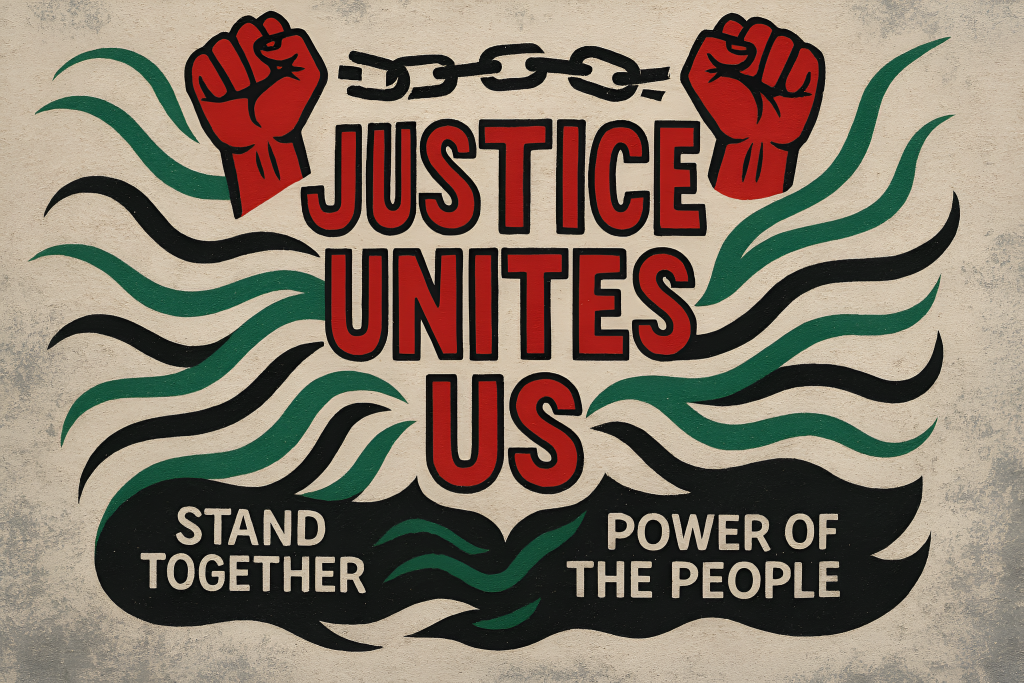
Our group chose to create a graffiti piece centered on the message “Justice Unites Us”, symbolizing resistance, solidarity, and hope for change.
Symbolism Used:
- Raised fists to represent collective strength and unity.
- Broken chains to symbolize liberation from oppression and the rejection of injustice.
- Flowing lines connecting different symbols to show the interconnected struggles of all communities.
Color Choices:
- Red to represent courage and the urgency of resistance.
- Black to emphasize oppression and the fight against systems of power.
- Green to symbolize hope, renewal, and the possibility of a more just future.
Text:
Large, bold lettering was used for the words “Justice Unites Us” so the message remains clear and visible from afar. Shorter supportive phrases like “Stand Together” and “Power of the People” were added in smaller text around the central message.
How the Design Reflects the Message:
The overall composition is meant to inspire unity. The connected symbols express that struggles across regions, backgrounds, and identities are linked. Our design conveys that justice is not an individual fight—it is a collective movement that gains power when voices come together.
Summary of the passages
The passages collectively explore how graffiti functions as a powerful medium of resistance, collective memory, and political expression in Bangladesh, spanning from historical movements to the July uprising of 2024.
1. Graffiti as a Tool of Resistance
Graffiti is described as a bold, spontaneous, and subversive form of protest. Unlike organized wall art, graffiti thrives on immediacy, spontaneity, and anonymity, allowing dissent to be expressed rapidly—often in environments where censorship and political oppression restrict other forms of speech. It aims to challenge authority, resist surveillance, disrupt public spaces, and convey messages that might otherwise be suppressed.
2. Historical and Contemporary Significance
From the 1960s onward, graffiti emerged as a form of political resistance in Bangladesh. During earlier anti-dictatorship movements, handwritten or spray‑painted slogans helped mobilize people and spread messages of defiance. This tradition resurfaced with renewed power during the July uprising of 2024, when protesters used graffiti to express anger, solidarity, and demands for justice. Graffiti became a visible symbol of mass frustration and unified resistance.
3. Graffiti as Collective Memory & Solidarity
The passages emphasize graffiti’s role in preserving the struggles of marginalized and minoritized communities. Public walls became spaces documenting oppression, grief, and hope—ensuring these stories remain in communal memory even when official narratives erase them.
Slogans like “From the plains to the hills, this time liberation is for all” and “Not a land of one nation, Bangladesh is a land of many communities” highlight how graffiti connects various regions and identities under a shared fight for justice. The imagery symbolizes inclusivity and the interconnected struggles of diverse groups.
4. Themes of Defiance and Liberation
Graffiti carries forward a history of defiance, echoing the voices of past resistance, such as slogans associated with earlier protests against authoritarian regimes. Each mark of paint reflects the ongoing fight for democracy, equality, and freedom.
The writings discuss how graffiti:
- Resists erasure
- Challenges state control
- Inspires collective action
- Creates solidarity across backgrounds
5. Graffiti vs. Wall Art
The texts compare graffiti with more organized, sanctioned wall art:
- Graffiti is unsanctioned, fast, risky, and rebellious.
- Wall art is structured, permitted, and slower to produce.
This contrast reinforces graffiti’s role as a guerrilla form of expression—raw, urgent, and driven by the people rather than institutions.
6. Enduring Power of Graffiti
Despite attempts at censorship, graffiti endures because:
- It can quickly reappear after removal.
- It belongs to the people.
- It captures authentic emotion.
- It preserves the voices of those who are silenced.
Ultimately, the passages conclude that graffiti comforts the oppressed while unsettling the powerful—fulfilling the artistic ideal of confronting injustice and amplifying suppressed voices.
Questions and Answers
- What idea does Banksy’s quote express about art?
Banksy’s quote expresses the idea that art should comfort people who are suffering and disturb those who are comfortable.
- When was Abu Sayeed killed?
Abu Sayeed was killed on 16 July 2024.
- What movement was Abu Sayeed involved in?
Abu Sayeed was involved in the students’ movement for quota reform at Begum Rokeya University in Rangpur.
- Who reacted emotionally to Abu Sayeed’s death?
His mother, Monowara Begum, reacted emotionally to his death.
- What did Monowara Begum say after her son was killed?
She cried that her son only wanted a job and questioned why he was killed.
- Since when has graffiti been used as a form of resistance in Bangladesh?
Graffiti has been used as a form of resistance in Bangladesh since the 1960s.
- What role has graffiti played in Bangladesh?
Graffiti has played the role of a powerful voice for resistance in Bangladesh.
- What slogan did students spray‑paint in 1966?
In 1966, students spray‑painted the slogan “Down with Ayub Khan.”
- Against what type of government did the students protest?
The students protested against a repressive regime.
- What word did the activists shout while painting graffiti?
They shouted the word “chika! chika!” while painting graffiti.
- Why did the activists shout this word?
They shouted this word to pretend they were killing mosquitoes and to hide their real actions.
- What did this tactic begin?
This tactic began the use of graffiti as a form of political dissent in Bangladesh.
- In which national struggle did graffiti later play a role?
Graffiti later played a role in the Liberation War of 1971.
- Who was photographed with the words “Down with Autocracy”?
Noor Hossain was photographed with the words “Down with Autocracy.”
- When was this famous photograph taken?
The photograph was taken on 10 November 1987.
- What was Noor Hossain protesting against?
Noor Hossain was protesting against autocracy.
- What Bangla phrase was misspelled on his body?
The misspelled Bangla phrase on his body was “স্বৈরতন্ত্র নিপাত যাক.”
- Why is the misspelling considered important?
The misspelling is considered important because it highlights the raw and urgent nature of street protest art.
- Where was Noor Hossain photographed?
He was photographed in Dhaka during a pro‑democracy protest.
- Who killed Noor Hossain?
Noor Hossain was shot and killed by the Bangladesh Police.
- What does the text suggest about the purpose of graffiti?
The text suggests that graffiti serves as a meaningful medium for expressing political resistance.
- With which kind of art is Banksy associated?
Banksy is associated with street art.
- Why is graffiti described as defiant?
Graffiti is described as defiant because it challenges oppressive authority.
- What was Abu Sayeed doing when the police confronted him?
Abu Sayeed was standing with his arms stretched out when the police confronted him.
- What was the main demand of the movement he supported?
The main demand of the movement he supported was reform of the quota system.
- How does the text portray Sayeed’s mother’s reaction?
The text portrays her reaction as deeply emotional, filled with shock and grief.
- How does the passage connect activism from different eras?
The passage connects activism from different eras by showing that graffiti and protest have remained effective tools for expressing dissent over time.
- Why does graffiti continue to be a popular form of protest?
Graffiti continues to be popular because it allows people to express opposition openly and anonymously.
- Which historical movements are associated with graffiti in the text?
The text associates graffiti with the 1960s student protests and the 1971 Liberation War.
- What message does the passage ultimately convey about resistance?
The passage ultimately conveys that art, protest, and public expression are powerful ways to resist injustice.
- What has graffiti recently resurfaced as?
Graffiti has recently resurfaced as a powerful expression of dissent.
- During which event did graffiti become especially prominent?
Graffiti became especially prominent during the July uprising.
- What kind of messages were spray‑painted during this time?
Spray‑painted messages included statements like “The country is nobody’s father’s.”
- What did these messages invoke?
These messages invoked the legacy of past protest movements.
- Which historic slogan was echoed by the modern graffiti?
The modern graffiti echoed the historic slogan “Gononotro Mukti Paak” (Let Democracy Be Free).
- Who was famously associated with this iconic slogan?
The slogan was famously written on the body of protester Noor Hossain.
- During which political regime did Noor Hossain protest?
Noor Hossain protested during the Ershad regime.
- What did each stroke of paint represent in these new protest messages?
Each stroke of paint represented a continuation of a long history of defiance.
- How has graffiti shaped Bangladesh’s political landscape?
Graffiti has shaped Bangladesh’s political landscape by symbolizing resistance and inspiring political awareness.
- What connection does the passage draw between past and present protests?
The passage draws a connection by showing that today’s graffiti continues the same struggle for justice seen in earlier movements.
- What theme is emphasized through the reference to both past and present graffiti?
The theme emphasized is the enduring role of protest art in demanding democracy and justice.
- What broader struggle does the text suggest graffiti contributes to?
The text suggests that graffiti contributes to ongoing struggles for justice in Bangladesh.
- What does the passage say about graffiti’s potency?
The passage says that graffiti’s potency lies in its subversive, guerrilla nature.
- How does graffiti differ from traditional wall art?
Graffiti differs from traditional wall art because it thrives on immediacy, spontaneity, and the risk of persecution.
- Why is graffiti often created quickly?
Graffiti is often created quickly because artists need to avoid detection due to the threat of surveillance and punishment.
- What is the purpose of graffiti according to the text?
The purpose of graffiti is to challenge power, counter surveillance, and inscribe messages that are censored or suppressed.
- What new dimensions did the July uprising bring to graffiti?
The July uprising brought new dimensions of dissent, collective rage, and revolutionary solidarity to graffiti.
- What did spray‑painted slogans during the uprising attempt to defy?
Spray‑painted slogans attempted to defy erasure by authorities.
- Which demand is cited as a cry for justice?
The demand “Ek dofa, ek dabi, shoirachar tui kobe jabi?” is cited as a cry for justice.
- Which philosopher’s idea does this demand echo?
It echoes Jacques Derrida’s idea that “What cannot be said must not be silenced but written.”
- What sense was reflected in the wall art during and after the July uprising?
A strong sense of inclusivity was reflected in the wall art during and after the July uprising.
- Whose struggles were highlighted through this inclusivity?
The struggles of marginalized and minoritized people were highlighted.
- What did many graffiti and wall art pieces call for?
Many graffiti and wall art pieces called for justice.
- What broader message did some graffiti pieces carry?
Some carried a broader message of liberation.
- What phrase symbolizes the interconnected struggles of all communities?
The phrase “Not a land of one nation, Bangladesh is a land of many communities” symbolizes this connection.
- What does this phrase emphasize about liberation?
It emphasizes that collective liberation depends on justice for all communities.
- How does the text describe the relationship between liberation and justice?
The text states that liberation is intertwined with the fight for justice uniting people across regions and backgrounds.
- What does the passage say about graffiti’s resilience?
The passage says graffiti’s resilience lies in its ability to persist as a medium of revolutionary memory.
- What role does graffiti play in collective consciousness?
Graffiti plays a role in preserving and shaping collective political consciousness.
- Who does graffiti speak for?
Graffiti speaks for those who are silenced and marginalized.
- How does graffiti help the marginalized?
Graffiti helps the marginalized by ensuring their struggles endure in public memory.
- How does Banksy’s message relate to the passage?
Banksy’s message relates because graffiti comforts the disturbed while disturbing the comfortable.
- Why does graffiti require anonymity?
Graffiti requires anonymity to protect artists from punishment or persecution.
- What kind of messages does graffiti tend to inscribe?
Graffiti tends to inscribe messages that are censored, suppressed, or politically sensitive.
- Why did graffiti gain renewed relevance during the July uprising?
It gained renewed relevance because people used it to express collective anger and demand justice.
- What does the text suggest about attempts to erase graffiti?
The text suggests that graffiti defies erasure, reflecting strong public determination.
- What is the significance of writing protest messages publicly?
Writing protest messages publicly makes hidden struggles visible and forces society to confront them.
- According to the passage, what connected communities during the uprising?
Shared struggles for justice connected communities during the uprising.
- How does graffiti challenge power structures?
Graffiti challenges power structures by making suppressed voices visible in public spaces.
- What does graffiti symbolize in the political landscape?
It symbolizes defiance, resistance, and the demand for democratic rights.
- Why is graffiti described as a form of revolutionary memory?
It is described this way because it preserves people’s struggles and aspirations over time.
- What general message does the passage convey about graffiti’s role in society?
The passage conveys that graffiti is a powerful tool for resistance, inclusivity, and social transformation.