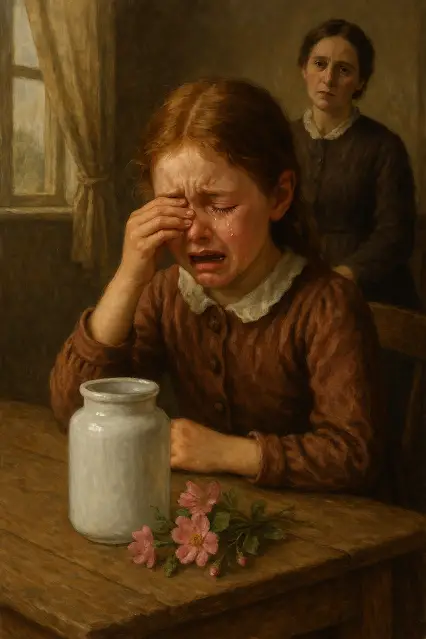
The Sands Of Dee (1850)
‘O Mary, go and call the cattle home,
And call the cattle home,
And call the cattle home
Across the sands of Dee;’
The western wind was wild and dank with foam,
And all alone went she.
The western tide crept up along the sand,
And o’er and o’er the sand,
And round and round the sand,
As far as eye could see.
The rolling mist came down and hid the land:
And never home came she.
‘Oh! is it weed, or fish, or floating hair,
A tress of golden hair,
A drownèd maiden’s hair
Above the nets at sea?
Was never salmon yet that shone so fair
Among the stakes of Dee.’
They rowed her in across the rolling foam,
The cruel crawling foam,
The cruel hungry foam,
To her grave beside the sea:
But still the boatmen hear her call the cattle home
Across the sands of Dee.
ডি-এর বালুকাবেলায়
— চার্লস কিংসলে
“ও মেরি, যাও, গরুগুলোকে বাড়ি ডেকে আনো,
আর গরুগুলোকে বাড়ি ডেকে আনো,
আর গরুগুলোকে বাড়ি ডেকে আনো
ডি-এর বালুকাবেলায়!”
পশ্চিমের বাতাস ছিল বুনো আর ফেনায় ভেজা,
আর সে একাই চলেছিল।
পশ্চিমের জোয়ার ধীরে ধীরে উঠছিল বালুর উপর,
আর বারবার বালুর উপর,
আর ঘুরে ফিরে বালুর উপর,
যতদূর চোখ যায় দেখা যায়।
ঘূর্ণায়মান কুয়াশা নেমে এল, ঢেকে দিল ভূমি,
আর সে আর কখনো বাড়ি ফিরল না।
“ওহ! এটা কি শৈবাল, না মাছ, না ভেসে থাকা চুল,
এক গুচ্ছ সোনালি চুল,
এক ডুবে যাওয়া কুমারীর চুল
সমুদ্রের জালে ভেসে আছে?
এমন উজ্জ্বল রূপালী মাছ কখনো দেখা যায়নি
ডি-এর বাঁধের মাঝে।”
তারা তাকে নিয়ে গেল ফেনার মধ্যে দিয়ে।
নিষ্ঠুর হামাগুড়ি দেওয়া ফেনা,
নিষ্ঠুর ক্ষুধার্ত ফেনা,
তার সমুদ্রপারের কবরের দিকে:
তবুও মাঝিরা শুনতে পায় তার ডাক, গরুগুলোকে বাড়ি ডেকে আনো
ডি-এর বালুকাবেলায়।
Analysis of the poem “The Sands of Dee”:
1. Summary
The poem tells the tragic story of Mary, a young girl sent to bring cattle home across the sands of Dee, a coastal area in England. Caught in a wild tide and mist, she disappears. Later, her body is found in the sea, and the poem ends with a haunting suggestion that her voice still echoes across the sands.
2. Structure and Form
- Stanza Form: The poem consists of four stanzas with varying lengths.
- Repetition: Phrases like “And call the cattle home” and “the cruel crawling foam” emphasize rhythm and emotional intensity.
- Rhyme Scheme: The rhyme is subtle and irregular, contributing to the poem’s mournful tone.
3. Literary Devices
a. Imagery
- Vivid descriptions of nature: “western wind was wild and dank with foam”, “rolling mist”, “floating hair”.
- Creates a haunting, mysterious atmosphere.
b. Personification
- Nature is given human-like qualities: “cruel crawling foam”, “hungry foam”.
- This portrays the sea as a dangerous, almost malicious force.
c. Symbolism
- The sea: Represents nature’s power and unpredictability.
- Mary’s voice: Symbolizes memory, loss, and lingering presence.
d. Repetition
- Enhances the lyrical quality and emotional weight.
- Reflects the echoing of Mary’s voice and the cyclical nature of the tide.
4. Themes
a. Nature’s Power
- The sea and mist overpower Mary, showing nature’s indifference to human life.
b. Tragedy and Loss
- Mary’s death is sudden and sorrowful, evoking sympathy and grief.
c. Memory and Haunting
- The final line suggests her spirit or memory remains, calling the cattle home.
5. Tone and Mood
- Tone: Mournful, reflective, and eerie.
- Mood: The reader feels sadness, mystery, and a sense of haunting beauty.
6. Interpretation
Kingsley uses this simple narrative to explore deeper ideas about human vulnerability, the permanence of memory, and the emotional impact of loss. The poem’s musicality and repetition make it feel like a lament or folk ballad, reinforcing its emotional depth.
Summary:
The poem tells the tragic story of a girl named Mary, who is sent to bring the cattle home across the sands of the Dee estuary. As she walks alone, the weather turns wild and misty, and the tide creeps in. Sadly, Mary never returns home. Later, fishermen find her body in the sea, her golden hair floating among the nets. They bury her by the shore, but even after her death, boatmen say they still hear her ghostly voice calling the cattle home across the sands.
সারাংশ (বাংলা):
চার্লস কিংসলে-এর “The Sands of Dee” কবিতাটি একটি মর্মান্তিক গল্প বলে। মেরি নামের একটি মেয়ে গরুদের বাড়ি আনতে ডি নদীর বালুকাবেলায় যায়। সে একা ছিল, আর আবহাওয়া ছিল ভয়ংকর—বাতাসে ফেনা, কুয়াশা, আর জোয়ার ধীরে ধীরে উঠে আসে। মেরি আর কখনো বাড়ি ফেরে না। পরে মাঝিরা সমুদ্রে তার মৃতদেহ খুঁজে পায়, তার সোনালি চুল জালের উপর ভেসে থাকে। তারা তাকে সমুদ্রের ধারে কবর দেয়। কিন্তু আজও মাঝিরা বলে, তারা শুনতে পায় মেরির আত্মার ডাক—গরুগুলোকে বাড়ি ডেকে আনো, ডি-এর বালুকাবেলায়।
Answer the following questions
1. What was the weather like when Mary went to bring the cattle home?
The weather was wild and stormy. The western wind was described as “wild and dank with foam,” indicating a rough and dangerous atmosphere with sea spray and mist.
2. Look at some words, phrases and sentences that have been repeated several times. Explain why the poet has done that.
The poet repeats phrases like “call the cattle home” and “across the sands of Dee” to create rhythm and emphasize Mary’s task and the haunting nature of her disappearance. Repetition also adds a musical quality and reinforces the emotional impact of the poem.
3. How has the poet described the sea?
The sea is portrayed as cruel, crawling, and hungry. These descriptions give the sea a threatening and almost living presence, suggesting it played a role in Mary’s tragic fate.
4. Narrate the story of Mary in your own words.
Mary was sent to bring the cattle home across the sands of Dee. As she walked alone, the weather turned stormy and the tide rose. She was caught in the mist and waves and never returned. Later, fishermen found her body in the sea, and she was buried by the shore. Her voice is said to still echo across the sands, calling the cattle home.
5. Suppose you were walking on the shore with a couple of your friends while Mary was drowning. Describe what you would have done.
If I were on the shore with friends while Mary was drowning, I would immediately try to help her—shouting for help, throwing something that floats, or trying to reach her safely if possible. One of us would run to get more help while others stayed to keep her in sight. We would do everything we could to save her from the cruel sea.
More Question for Practice
(a) What task was Mary given in the poem?
Mary was sent to fetch the cattle across the sands of Dee, a dangerous area near the sea.
(b) What does the phrase “all alone went she” suggest about Mary?
It suggests her isolation and vulnerability. She faced the perilous journey without any companionship or help.
(c) What is the significance of the ‘rolling mist’?
The rolling mist symbolizes uncertainty and danger. It creates an eerie atmosphere and foreshadows the tragedy that will occur.
(d) What tragic discovery is described in the poem?
The tragic discovery is that Mary drowned while trying to cross the sands, swept away by the treacherous tide.
(e) What lingering effect does Mary’s voice have after her death?
Her voice seems to echo in the minds of those who mourn her, creating a haunting and sorrowful memory that lingers even after her death.
(f) What theme does the poem explore through Mary’s fate?
The poem explores themes of human vulnerability against nature, loneliness, and the inevitability of fate.
(g) How does the poet use ‘imagery’ to describe Mary’s hair?
The poet uses vivid imagery, comparing her hair to natural elements (possibly golden or flowing like waves), to emphasize her beauty and innocence.
(h) Why is the sea described as ‘hungry’?
The sea is personified as ‘hungry’ to convey its relentless and consuming nature, emphasizing its danger and power over human life.
(i) How does the poem portray the relationship between humans and nature?
The poem portrays nature as powerful and indifferent to human struggles. Humans appear fragile and helpless against its forces.
(j) What is the significance of the final line, “Across the sands of Dee”?
The final line reinforces the setting and the tragedy, reminding readers of the perilous sands where Mary lost her life. It leaves a lingering sense of sorrow and inevitability.
More questions
1. Who is the central character in the poem?
Mary is the central character, a young girl who tragically drowns while trying to bring the cattle home.
2. What task was Mary given?
Mary was asked to bring the cattle home across the sands of Dee.
3. What natural elements are described in the poem?
The poem describes wind, foam, tide, sand, and mist, creating a vivid picture of the coastal environment.
4. What does the poet mean by “cruel crawling foam”?
It refers to the relentless and dangerous waves of the sea that ultimately lead to Mary’s death.
5. How does the poet create a sense of mystery?
Through repetition, haunting imagery, and the suggestion that Mary’s voice is still heard after her death.
6. What is the tone of the poem?
The tone is melancholic, haunting, and tragic.
7. What literary device is used in “Was never salmon yet that shone so fair”?
This is a simile, comparing Mary’s golden hair to the beauty of a salmon.
8. What does the repetition of “call the cattle home” signify?
It emphasizes Mary’s duty and the lingering echo of her voice, even after death.
9. What lesson can be learned from the poem?
Nature can be unpredictable and dangerous, and the poem reminds us of the fragility of life.
10. How does the poet describe Mary’s final journey?
She is rowed through the foam to her grave beside the sea, a solemn and sorrowful image.
11. What is the significance of the sea in the poem?
The sea is both a setting and a symbol of danger, mystery, and death.
12. What emotion does the poem evoke in the reader?
It evokes sadness, sympathy, and a sense of loss.
13. What does “rolling mist” symbolize?
It symbolizes confusion, danger, and the unknown, contributing to Mary’s tragic fate.
14. Why is Mary’s voice said to be heard even after her death?
It adds a ghostly, supernatural element, suggesting her spirit remains tied to the place.
15. What is the overall message of the poem?
The poem conveys the power of nature, the tragedy of loss, and the enduring memory of those who pass away.