Books
– Eleanor Farjeon
Books
– Eleanor Farjeon
What worlds of wonder are our books!
As one opens them and looks,
New ideas and people rise
In our fancies and our eyes.
The room we sit in melts away,
And we find ourselves at play
With some one who, before the end,
May become our chosen friend.
Or we sail along the page
To some other land or age.
Here’s our body in the chair,
But our mind is over there.
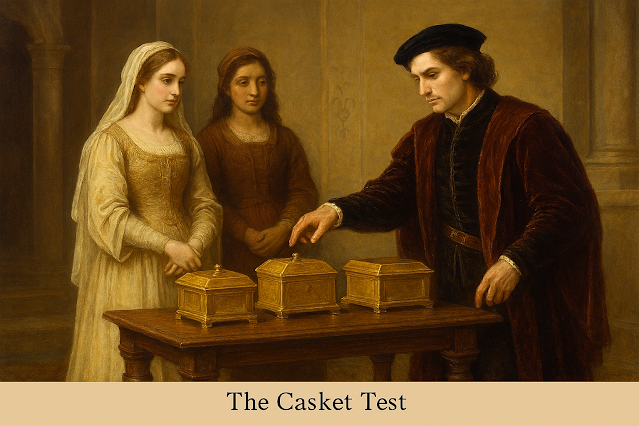
Each book is a magic box,
Which with a touch a child unlocks.
In between their outside covers
Books hold all things for their lovers.
আমাদের বইগুলো বিস্ময়ের কেমন জগৎ!
যেহেতু একজন খোলে আর তাকায়,
নতুন ধারণা আর মানুষ জেগে ওঠে
আমাদের কল্পনা আর চোখে।
যে ঘরে আমরা বসে থাকি, তা মিলিয়ে যায়,
আর আমরা নিজেদের খুঁজে পাই খেলায়
এমন কারো সাথে, যে শেষের আগে,
হয়তো আমাদের পছন্দের বন্ধু হয়ে উঠবে।
অথবা আমরা ভেসে যাই পাতার পর পাতা ধরে
অন্য কোনো দেশ বা যুগে।
এখানে চেয়ারে আমাদের শরীর,
কিন্তু আমাদের মন তো ঐখানে।
প্রত্যেকটি বই এক জাদুর বাক্স,
যা একটি শিশুর স্পর্শে খোলে।
তাদের বাইরের পাতার ভেতরে
বই তাদের ভালোবাসনেওয়ালাদের জন্য সবকিছু ধরে রাখে।
Line by line translation
| English line | বাংলা অনুবাদ |
|---|---|
| What worlds of wonder are our books! | আমাদের বইগুলো বিস্ময়ের কত জগতই না ধারণ করে! |
| As one opens them and looks, | যখন কেউ সেগুলো খুলে দেখে, |
| New ideas and people rise | নতুন নতুন ভাবনা ও মানুষের ছবি ভেসে ওঠে |
| In our fancies and our eyes. | আমাদের কল্পনা ও চোখের সামনে। |
| The room we sit in melts away, | আমরা যে ঘরে বসে থাকি, সেই ঘরটি যেন অদৃশ্য হয়ে যায়, |
| And we find ourselves at play | আর আমরা নিজেদেরকে খেলায় মেতে থাকতে দেখি |
| With some one who, before the end, | এমন কারও সঙ্গে, যে গল্পের শেষ হওয়ার আগেই |
| May become our chosen friend. | আমাদের প্রিয় বন্ধু হয়ে উঠতে পারে। |
| Or we sail along the page | অথবা আমরা বইয়ের পাতার ভেতর দিয়ে ভেসে চলি |
| To some other land or age. | অন্য কোনো দেশ বা অন্য কোনো যুগে। |
| Here’s our body in the chair, | আমাদের শরীরটি এখানে চেয়ারে বসে থাকে, |
| But our mind is over there. | কিন্তু আমাদের মন চলে যায় সেই দূর জগতে। |
| Each book is a magic box, | প্রতিটি বই যেন একটি জাদুর বাক্স, |
| Which with a touch a child unlocks. | যা একটি শিশু স্পর্শ করলেই খুলে যায়। |
| In between their outside covers | বইয়ের বাইরের মলাট দুটির মাঝখানে |
| Books hold all things for their lovers. | বইপ্রেমীদের জন্য বই সবকিছুই ধারণ করে রাখে। |
Summary of the poem “Books” by Eleanor Farjeon:
The poem celebrates the enchanting power of books to transport readers beyond their physical surroundings. It portrays books as gateways to new ideas, people, and adventures. As one reads, the room fades away and the imagination takes over—allowing readers to make new friends, explore distant lands, and travel through time. Farjeon likens each book to a “magic box” that unlocks endless possibilities, especially for children and those who love reading. The poem beautifully captures how books nourish the mind and spirit, offering joy, discovery, and companionship.
এই কবিতাটি বইয়ের মোহময় শক্তিকে উদযাপন করে, যা পাঠকদের শারীরিক পরিবেশের সীমা ছাড়িয়ে নিয়ে যায়। কবিতায় বইকে নতুন চিন্তা, মানুষ ও অভিযানের দ্বাররূপে চিত্রিত করা হয়েছে। পাঠের সময় ঘরের অস্তিত্ব মুছে যায় এবং কল্পনা জেগে ওঠে—যার মাধ্যমে পাঠক নতুন বন্ধু তৈরি করতে পারে, দূরদেশে ঘুরে বেড়াতে পারে, এমনকি সময়ের ভেতর দিয়ে ভ্রমণও করতে পারে। ফারজিওন প্রতিটি বইকে একটি “জাদুর বাক্স” হিসেবে তুলনা করেছেন, যা বিশেষ করে শিশুদের এবং যারা বই পড়তে ভালোবাসে তাদের জন্য অসীম সম্ভাবনার দরজা খুলে দেয়। কবিতাটি সুন্দরভাবে তুলে ধরে যে বই কীভাবে মন ও আত্মাকে পুষ্টি দেয়, আনন্দ, আবিষ্কার এবং সঙ্গের অনুভূতি এনে দেয়।
Analysis of Eleanor Farjeon’s poem “Books”:
Theme
The central theme of the poem is the transformative power of reading. Farjeon explores how books can transport readers to different worlds, introduce them to new ideas and people, and offer emotional and intellectual companionship.
Structure and Form
- The poem is written in rhymed couplets, which gives it a rhythmic and musical quality.
- It consists of four stanzas, each contributing to the idea of books as magical portals.
Imagery and Language
- Farjeon uses vivid imagery to describe the experience of reading:
- “The room we sit in melts away” evokes the idea of escaping reality.
- “We sail along the page / To some other land or age” suggests adventure and time travel.
- The metaphor “Each book is a magic box” is especially powerful, portraying books as treasures filled with endless possibilities.
Tone
- The tone is wonder-filled, gentle, and celebratory.
- It reflects a childlike awe and appreciation for the joy of reading.
Symbolism
- Books symbolize imagination, freedom, and discovery.
- The magic box metaphor symbolizes the hidden potential within each book, waiting to be unlocked by curious minds.
Message
Farjeon’s message is clear: books are not just objects—they are gateways to knowledge, friendship, adventure, and emotional growth. They allow readers to transcend their physical limitations and explore the vast landscapes of the mind.
Line-by-line analysis of Eleanor Farjeon’s poem “Books”:
Stanza 1
1. “What worlds of wonder are our books!”
This opening line sets a tone of awe and admiration. It suggests that books contain entire worlds full of marvels and imagination.
2. “As one opens them and looks,”
Reading is portrayed as an act of discovery. Simply opening a book begins the journey into its wonders.
3. “New ideas and people rise”
Books introduce readers to fresh thoughts and characters, expanding their understanding and empathy.
4. “In our fancies and our eyes.”
The experiences in books come alive both in imagination (“fancies”) and visually (“eyes”), emphasizing the vividness of reading.
Stanza 2
5. “The room we sit in melts away,”
This line uses metaphor to show how reading can make one forget their physical surroundings.
6. “And we find ourselves at play”
Reading becomes a playful, joyful experience, like entering a game or fantasy.
7. “With some one who, before the end,”
Introduces the idea of forming emotional connections with characters in books.
8. “May become our chosen friend.”
Suggests that fictional characters can feel like real friends, highlighting the emotional depth of reading.
Stanza 3
9. “Or we sail along the page”
A metaphor for reading as a journey, smooth and adventurous.
10. “To some other land or age.”
Books allow time travel and exploration of different cultures, eras, and places.
11. “Here’s our body in the chair,”
A contrast between physical stillness and mental movement.
12. “But our mind is over there.”
Reinforces the idea that reading transports the mind far beyond the present moment.
Stanza 4
13. “Each book is a magic box,”
A powerful metaphor: books are magical containers of wonder and knowledge.
14. “Which with a touch a child unlocks.”
Emphasizes the accessibility of books and the joy they bring to children.
15. “In between their outside covers”
Refers to the hidden treasures within the physical form of a book.
16. “Books hold all things for their lovers.”
Concludes with a universal truth: for those who love reading, books offer everything—adventure, knowledge, emotion, and companionship.
QUESTIONS FROM ENGLISH FOR TODAY
1. What does the poet say about the good things that reading a book can do to you in the poem ‘Books’?
Answer: Reading a book gives us new ideas, introduces us to new people, and takes us to different worlds and ages. It also gives us joy and friendship.
2. What does the poet compare book to in the opening lines of the poem ‘Books’?
Answer: The poet compares books to worlds of wonder.
3. How does the poem ‘Books’ describe the way books “fly” to us?
Answer: Books take our minds away from the place where we are sitting and carry us to other lands and ages.
4. According to the poem ‘Books’, how do books provide comfort or companionship?
Answer: Books can become our friends. While reading, we may find a character who becomes our chosen friend.
5. Do you agree with the poet’s portrayal of books as magical and timeless? Why or why not?
Answer: Yes, I agree. Books are magical because they take us to different worlds and times. Their ideas remain useful for a long time.
Questions for More Practice
(a) How do books transport us to another world or age in the poem ‘Books’?
Answer: Books take our minds to another land or age while our bodies remain in the chair.
(b) How do we find our chosen friend while reading a book in the poem ‘Books’?
Answer: While reading, we meet different characters. One of them may become our chosen friend.
(c) Why does the poet call each book a magic box in the poem ‘Books’?
Answer: The poet calls a book a magic box because it opens a wonderful world of ideas, people, places and stories to us.
(d) Do books hold pleasant things for readers? If so, how?
Answer: Yes, books hold many pleasant things. They give us stories, ideas, imagination, knowledge and friendship.
(e) What do books bring out in our fancies and eyes in the poem ‘Books’?
Answer: Books bring new ideas and new people into our imagination and before our eyes.
(f) Describe the functions of books as shown in the poem ‘Books’.
Answer: Books give us new ideas, introduce new people, take us to other lands and ages, and give us joy and friendship.
(g) How does the poem ‘Books’ describe the universality of reading?
Answer: The poem shows that books can take everyone to different places, times and worlds through imagination.
(h) What does the poet say about the body and mind while reading a book?
Answer: The poet says that our body stays in the chair, but our mind travels to another place.
(i) What does the poet mean by “We sail along the page” in the poem ‘Books’?
Answer: It means that our imagination travels through the pages of a book to another land or age.
(j) How does the poem ‘Books’ describe the emotional value of books?
Answer: Books give us happiness and companionship. They can also give us a friend through their characters.
(k) What magical ability do books have according to the poem ‘Books’?
Answer: Books can take our minds to different worlds, lands and ages.
(l) What does the poem ‘Books’ suggest about learning through reading?
Answer: The poem suggests that reading gives us new ideas, knowledge and experiences.
(m) What does the poem ‘Books’ highlight about a child’s experience?
Answer: It shows that a child can use a book to enter a magical world through imagination.
(n) How can books be our best friend?
Answer: Books can be our best friends because they give us knowledge, joy, ideas and companionship.
(o) What according to the poet, are books? And why are they so?
Answer: According to the poet, books are magic boxes. They are so because they contain wonderful worlds, ideas, people and experiences.
(p) What does the poet compare books to in the poem ‘Books’?
Answer: The poet compares books to worlds of wonder and magic boxes.
(q) What does the poem ‘Books’ suggest about the lasting impact of reading?
Answer: Reading leaves lasting ideas and experiences in our minds. Books can remain our friends for a long time.
(r) What does the poet mean “Here’s our body in the chair. But our mind is over there” in the poem ‘Books’?
Answer: It means that our body stays in the chair while our mind travels to the world of the book.
(s) How do books contribute to the formation of new ideas and the introduction to new people?
Answer: Books show us new ideas and introduce us to different people through their stories and characters.
(t) What does the poem ‘Books’ say about the connection between past and present?
Answer: Books connect us with the past by taking us to other ages while we are living in the present.
(u) What does the poem ‘Books’ say about imagination?
Answer: The poem shows that books make our imagination active and take us to wonderful places and times.
(v) What happens when we open a book and start reading?
Answer: We enter a wonderful world. New ideas and people appear in our imagination, and we may travel to other lands and ages.
(w) Do you believe “The room we sit in melts away” while reading books?
Answer: Yes, I do. When we read an interesting book, we become so involved that we forget our surroundings.
(x) What do books hold between their covers?
Answer: Books hold stories, ideas, people, places, ages, knowledge and many wonderful things between their covers.
(y) How does the poem ‘Books’ portray books as companions?
Answer: The poem portrays books as companions because they give us joy and can introduce us to characters who become our friends.
QUESTIONS FOR MORE PRACTICE
(a) How do books transport us to another world or age?
Books transport us by engaging our imagination. As we read, the physical world fades and we mentally travel to different places and times described in the story.
(b) What, according to the poet, are books? And why are they so?
According to the poet, books are “magic boxes.” They are called so because they unlock endless possibilities, adventures, and emotions with just a touch, especially for children.
(c) How do we find our chosen friend while reading a book?
While reading, we meet characters who feel real and relatable. By the end of the book, some of these characters may become emotionally close to us, like chosen friends.
(d) “Here’s our body in the chair / But our mind is over there.” What do these two lines mean?
These lines mean that while we are physically sitting in one place, our mind is actively exploring the world of the book. Reading allows mental escape and adventure.
(e) Why does the poet call each book a magic box?
The poet calls each book a magic box because it contains wonders, stories, and knowledge that can be unlocked simply by opening it. It brings joy and discovery to readers.
(f) Do books hold pleasant things for readers? If so, how?
Yes, books hold pleasant things like stories, adventures, emotions, and friendships. They entertain, educate, and comfort readers, making them feel joy and connection.
(g) What do books bring to our fancies and eyes?
Books bring new ideas and people into our imagination (“fancies”) and visual perception (“eyes”), making the reading experience vivid and engaging.
(h) Describe the functions of books as shown in the poem.
Books:
· Introduce new ideas and characters.
· Help us escape reality.
· Allow us to travel through time and space.
· Create emotional bonds with fictional friends.
· Stimulate imagination.
· Offer joy, knowledge, and companionship.
More Questions
- Who is the poet of the poem “Books”?
Answer: The poet of the poem “Books” is Eleanor Farjeon.
- According to the poem, what rises in our fancies and our eyes when we open books?
Answer: According to the poem, new ideas and people rise in our fancies and our eyes when we open books.
- What happens to the room we are sitting in when we read, according to the poem?
Answer: According to the poem, the room we sit in melts away when we read.
- With whom might we find ourselves at play when reading a book?
Answer: When reading a book, we might find ourselves at play with someone who, before the end of the book, may become our chosen friend.
- Where does our mind travel when we read a book, even though our body remains in the chair?
Answer: When we read a book, our mind travels to some other land or age, even though our body remains in the chair.
- What does the poet compare each book to in the third stanza?
Answer: The poet compares each book to a magic box in the third stanza.
- According to the poem, what unlocks the “magic box” of a book?
Answer: According to the poem, a child’s touch unlocks the “magic box” of a book.
- What do books hold for their lovers, according to the last two lines of the poem?
Answer: According to the last two lines of the poem, books hold all things for their lovers.
- What is the main theme or central idea of the poem “Books”?
Answer: The main theme of the poem “Books” is the power of books to transport readers to different worlds, introduce them to new ideas and people, and offer endless possibilities.
- Identify a metaphor used in the poem and explain what it suggests.
Answer: A metaphor used in the poem is “Each book is a magic box.” This suggests that books contain wonders, secrets, and exciting possibilities, just like a magic box.
- What kind of imagery does the phrase “Or we sail along the page” create in the reader’s mind?
Answer: The phrase “Or we sail along the page” creates imagery of a journey or voyage, suggesting that reading takes us on an adventure through the story or information presented in the book.
- How does the poem emphasize the transformative power of reading?
Answer: The poem emphasizes the transformative power of reading by showing how it can make the present reality fade away (“The room we sit in melts away”) and transport our minds to different times and places.
- What does the poet mean by saying that a character in a book “May become our chosen friend”?
Answer: By saying that a character in a book “May become our chosen friend,” the poet suggests that we can develop a strong connection and empathy with fictional characters, feeling as if they are real companions.
- In your own words, describe the feeling or experience of reading a captivating book based on the poem.
Answer: Based on the poem, reading a captivating book feels like entering a world of wonder where new ideas and interesting people come alive. It’s as if the room around us disappears, and our minds embark on exciting journeys to different lands and times, potentially forming deep connections with the characters we encounter.
- What is the significance of the phrase “Books hold all things for their lovers” in the context of the poem?
Answer: The phrase “Books hold all things for their lovers” signifies the vast and limitless potential of books. It suggests that books offer knowledge, adventure, companionship, and a wealth of experiences to those who love to read.