Read the text and answer the following questions
Bangladesh is home to more than 50 small ethnic groups, including the Chakma. Marma, and Tripura. While most of them live in the northern and southeastern flatlands, others reside in the Chittagong Hill Tracts. Each group has its distinct lifestyles, economic practices, and belief systems. Moreover, these communities speak at least 35 distinct languages, adding to the country’s cultural richness. However, many of these languages are now endangered owing to a variety of reasons including urbanisation, modernisation and migration. This global issue is known as “language death.” In fact, the UN warns that many ethnic languages are disappearing at an alarming rate, with one language dying every two weeks.
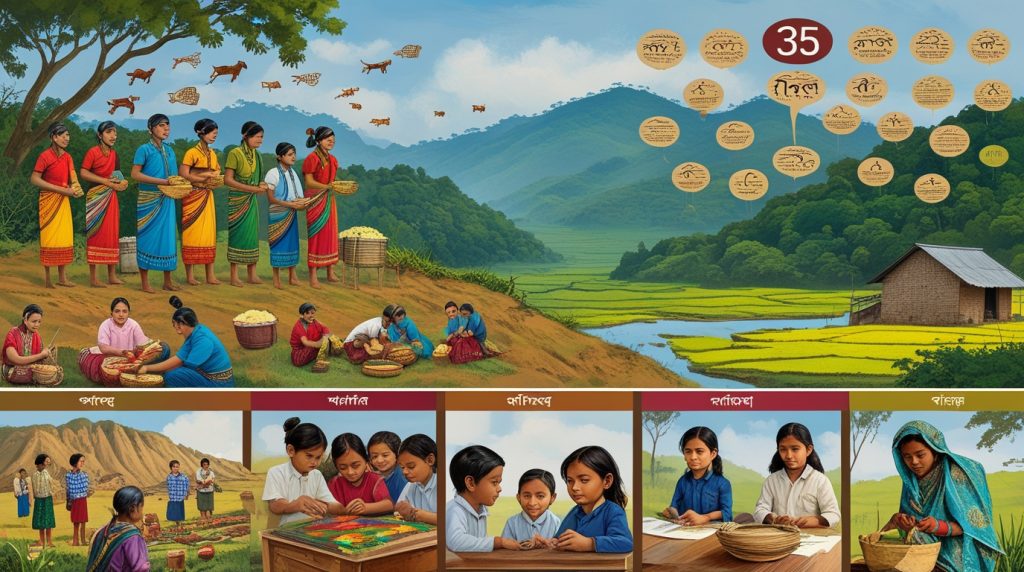
During the British colonial rule, ethnic minority groups played a significant role in resisting oppression. Leaders like Sidhu and Kanu led uprisings such as the Santhal Rebellion, thereby highlighting their contributions to the anti-colonial struggle. However, despite this legacy, ethnic minority communities in Bangladesh today face challenges in preserving their languages and cultural heritage. Although the government is providing continuous efforts to include ethnic people’s languages in pre-primary and primary education, these efforts are facing hurdles like shortage of trained teachers and adequate resources for higher education in these languages.
Furthermore, due to the construction of Kaptai Dam in 1957, the people living at the surrounding areas were relocated to areas far from their homes and farmlands. It, consequently, had a far reaching impact on their life and livelihood.
Vocabulary with Bengali Meanings
ethnic — নৃগোষ্ঠীসংক্রান্ত / জাতিগত
groups — গোষ্ঠীসমূহ
including — অন্তর্ভুক্ত / সহ
Tripura — ত্রিপুরা
While — যদিও / যখন
live — বসবাস করে / থাকে
northern — উত্তরাঞ্চলীয়
southeastern — দক্ষিণ-পূর্বাঞ্চলীয়
flatlands — সমতলভূমি
reside — বাস করে / বসতি স্থাপন করে
Tracts — পার্বত্য অঞ্চল / এলাকা
group — গোষ্ঠী / দল
distinct — স্বতন্ত্র / পৃথক
lifestyles — জীবনধারা/সমূহ
economic — অর্থনৈতিক
practices — চর্চা/প্রথা/প্রয়োগসমূহ
belief — বিশ্বাস
systems — পদ্ধতি/ব্যবস্থা/সমূহ
Moreover — তদুপরি / উপরন্তু
these — এগুলো / এসমস্ত
communities — সম্প্রদায়সমূহ
speak — কথা বলে / ভাষায় কথা বলা
least — অন্তত
languages — ভাষাসমূহ
adding — যোগ করে / সংযোজন করে
country’s — দেশের
cultural — সাংস্কৃতিক
richness — ঐশ্বর্য / সমৃদ্ধি
However — তবে / যদিও
endangered — বিলুপ্তপ্রায় / বিপন্ন
owing — কারণে
variety — নানাবিধতা / বৈচিত্র্য
reasons — কারণসমূহ
urbanisation — নগরায়ণ
modernisation — আধুনিকায়ন
migration — অভিবাসন / স্থানান্তর
global — বৈশ্বিক
issue — সমস্যা / ইস্যু
known — পরিচিত / জানা
language — ভাষা
death — মৃত্যু
fact — প্রকৃতপক্ষে / আসলে
warns — সতর্ক করে / সাবধান করে
disappearing — বিলুপ্ত হয়ে যাচ্ছে / অদৃশ্য হয়ে যাচ্ছে
alarming — উদ্বেগজনক
rate — হার / গতিতে
dying — মারা যাচ্ছে / বিলুপ্ত হচ্ছে
weeks — সপ্তাহ
During — চলাকালীন / সময়ে
British — ব্রিটিশ
colonial — উপনিবেশিক
rule — শাসন
minority — সংখ্যালঘু
played — পালন করেছে / ভূমিকা রেখেছে
significant — গুরুত্বপূর্ণ / তাৎপর্যপূর্ণ
role — ভূমিকা
resisting — প্রতিরোধ করা / মোকাবিলা করা
oppression — অত্যাচার / শোষণ
Leaders — নেতা/নেতৃবৃন্দ
led — নেতৃত্ব দিয়েছে
uprisings — বিদ্রোহসমূহ / গণঅভ্যুত্থান
Santhal — সাঁওতাল
Rebellion — বিদ্রোহ
highlighting — আলোকপাত করা / তুলে ধরা
contributions — অবদানসমূহ
anti-colonial — উপনিবেশবাদবিরোধী
struggle — সংগ্রাম
despite — সত্ত্বেও
legacy — উত্তরাধিকার / ঐতিহ্য
today — আজ / বর্তমান সময়ে
face — সম্মুখীন হওয়া
challenges — চ্যালেঞ্জসমূহ / বাধা
preserving — সংরক্ষণ করা / রক্ষা করা
heritage — ঐতিহ্য / ঐতিহ্যবাহী উত্তরাধিকার
Although — যদিও
government — সরকার
providing — সরবরাহ করছে / দিচ্ছে
continuous — ধারাবাহিক / অব্যাহত
efforts — প্রচেষ্টা/সমূহ
include — অন্তর্ভুক্ত করা
people’s — মানুষের / জনগণের
pre-primary — প্রাক-প্রাথমিক
primary — প্রাথমিক
education — শিক্ষা
facing — সম্মুখীন হচ্ছে
hurdles — বাধা/বিঘ্নসমূহ
like — যেমন
shortage — ঘাটতি / সংকট
trained — প্রশিক্ষিত
teachers — শিক্ষক/শিক্ষকগণ
adequate — যথেষ্ট / পর্যাপ্ত
resources — সম্পদ / সম্পদসমূহ
higher — উচ্চ / উচ্চতর
Furthermore — তদুপরি / আরও
due — কারণে
construction — নির্মাণ
Kaptai — কাপ্তাই
Dam — বাঁধ
people — মানুষ / জনগণ
living — বসবাসকারী
surrounding — পার্শ্ববর্তী / আশেপাশের
relocated — পুনর্বাসিত / স্থানান্তরিত
areas — এলাকা/সমূহ
farmlands — কৃষিজমি / ফসলের জমি
consequently — পরিণতিস্বরূপ / ফলস্বরূপ
far — (এখানে জোর) অত্যন্ত/দূরবর্তী
reaching — বিস্তৃত / ব্যাপকভাবে পৌঁছানো
impact — প্রভাব
life — জীবন
livelihood — জীবিকা
বাংলা অনুবাদ
বাংলাদেশে চাকমা, মারমা ও ত্রিপুরাসহ ৫০টিরও বেশি ক্ষুদ্র নৃগোষ্ঠীর মানুষ বাস করে। এদের বেশিরভাগই দেশের উত্তর ও দক্ষিণ-পূর্বাঞ্চলের সমতল ভূমিতে বসবাস করলেও, কিছু গোষ্ঠী চট্টগ্রাম হিল ট্র্যাক্টস বা পার্বত্য চট্টগ্রাম অঞ্চলে বসতি স্থাপন করেছে। প্রতিটি গোষ্ঠীর নিজস্ব জীবনধারা, অর্থনৈতিক কর্মকাণ্ড এবং বিশ্বাসব্যবস্থা রয়েছে। তাছাড়া, এই সম্প্রদায়গুলো কমপক্ষে ৩৫টি স্বতন্ত্র ভাষায় কথা বলে, যা দেশের সাংস্কৃতিক বৈচিত্র্যকে আরও সমৃদ্ধ করেছে। তবে নগরায়ণ, আধুনিকায়ন ও অভিবাসনসহ নানা কারণে এসব ভাষার অনেকগুলো এখন বিলুপ্তপ্রায়। এই বৈশ্বিক সমস্যাটিকে বলা হয় “ভাষামৃত্যু”। এমনকি জাতিসংঘও সতর্ক করে বলেছে যে বিশ্বজুড়ে উদ্বেগজনক হারে নৃগোষ্ঠীর ভাষা বিলুপ্ত হয়ে যাচ্ছে—প্রতি দুই সপ্তাহে একটি করে ভাষা মারা যাচ্ছে।
ব্রিটিশ ঔপনিবেশিক শাসনামলে ক্ষুদ্র নৃগোষ্ঠীগুলো অত্যাচার প্রতিরোধে গুরুত্বপূর্ণ ভূমিকা পালন করেছিল। সিধু ও কানুর মতো নেতারা সাঁওতাল বিদ্রোহের নেতৃত্ব দেন, যা উপনিবেশবিরোধী সংগ্রামে তাদের অবদানকে তুলে ধরে। তবে এই ঐতিহাসিক ভূমিকা সত্ত্বেও, বর্তমান বাংলাদেশে ক্ষুদ্র নৃগোষ্ঠীর মানুষরা তাদের ভাষা ও সাংস্কৃতিক ঐতিহ্য সংরক্ষণে নানা চ্যালেঞ্জের মুখোমুখি হচ্ছে। সরকার প্রাক-প্রাথমিক ও প্রাথমিক শিক্ষায় ক্ষুদ্র নৃগোষ্ঠীর ভাষা অন্তর্ভুক্ত করার জন্য অব্যাহত প্রচেষ্টা চালালেও, প্রশিক্ষিত শিক্ষকের ঘাটতি এবং উচ্চশিক্ষার জন্য পর্যাপ্ত সম্পদের অভাবের মতো সমস্যার কারণে এসব উদ্যোগ বাস্তবায়নে বাধা সৃষ্টি হচ্ছে।
এছাড়া, ১৯৫৭ সালে কাপ্তাই বাঁধ নির্মাণের ফলে আশপাশের এলাকায় বসবাসকারী মানুষদের তাদের বাড়িঘর ও কৃষিজমি থেকে দূরে অন্যত্র স্থানান্তরিত হতে হয়। এর ফলে তাদের জীবনযাপন ও জীবিকায় গভীর ও দীর্ঘস্থায়ী প্রভাব পড়ে।
1. Choose the correct answer to each question from the alternatives given and write the corresponding number of the answers in your answer script.
(a) What does ‘indigenous’ refer to?
(i) )something that originates from outside the country
(ii) something that is native to a particular region
(iii) something that is widely used by the general population
(iv) something that is imported from other countries
(b) The word ‘preserve’ in line 11 of the text means ——
(i) to keep something in its original state (ii) to change something
(iii) to destroy something (iv) to ignore something
(c) The word ‘hurdles’ in line 12 of the text means
(i) difficulties (ii) achievements (iii) opportunities (iv) supports
(d) What is a significant threat to Indigenous languages in Bangladesh?
(i) government support (ii) increased literacy rates (iii) language fusion (iv) language death
(e) What is the challenge faced by the government in including Indigenous languages in
preschool education?
(i) lack of interest from parents (iii) lack of trained teachers and resources
(ii) language standardization issues (iv) all of the above
(f) How many Indigenous groups are there in Bangladesh?
(i) more than 30 (ii) more than 40 (iii) more than 50 (iv) more than 54
(g) What is the main cause of the decline in Indigenous languages?
(i) loss of cultural pride (ii) lack of written documentation
(iii) dominance of Bangla language (iv) all of the above
Extra Questions
(h) In which regions are most of the Indigenous groups located in Bangladesh?
(i) northern flatlands (ii) southeastern flatlands
(iii) Chittagong Hill Tracts (iv) Both i and ii
(i) What is the global issue that describes the disappearance of languages?
(i) language extinction (ii) language death (m) cultural assimilation (iv) global language
(j) What is the rate of Indigenous language extinction according to the UN?
(i) one every two weeks (II) one every month
(iii) one every year (iv) one every five years
(k) Who were Sidhu and Kanu?
(i) Indigenous language preservationists (ii) folk artists
(iii) anticolonial leaders (iv) famous poets
(l) What was the significant event that Sidhu and Kanu were involved in?
(i) the Language Movement (II) the partition of India
(iii) the Swadeshi Movement (iv) the Santhal Rebellion
(m) What was the impact of the Santhal Rebellion?
(i) It led to the partition of Bengal
(ii) It was a significant moment in the Indian Rebellion of 1857
(ii) It highlighted the contributions of Indigenous people in the anticolonial struggle
(iv) It secured independence for Bangladesh
(n) The word ‘distinct’ in line 3 of the text means
(i) similar (ii) different (iii) identical (iv) same
(o) The word ‘richness’ in line 4 of the text means
(i) abundance (ii) poverty (iii) scarcity (iv) deficiency
(p) The word ‘dominance’ in line 5 of the text means.
(i) equality (ii) inferiority (ii) superiority (iv) indifference
(q) The phrase ‘global issue’ in line 6 of the text indicates that language death is ———-.
(i) a problem affecting only Bangladesh (ii) a problem affecting Asia only
(iii) a problem affecting the entire world (iv) a problem affecting developed countries
(r) The phrase Indigenous languages’ in line 6 refers to ————.
(i) languages spoken by immigrants (ii) languages spoken by foreigners
(iii) languages spoken by the original inhabitants of a region (iv) languages taught in schools
(s) The word ‘disappearing in line 7 of the text suggests that these languages are ————.
(i) becoming more widespread (ii) becoming more popular
(II) facing the risk of extinction (iv) changing over time
(t) Indigenous languages in Bangladesh are spoken by ———–.
(i) only Chakma people (ii) only Marma people
(iii) many different Indigenous groups (iv) only in the Chattogram Hill Tracts
(u) Indigenous languages in Bangladesh are affected by the dominance of ———–.
(i) English (ii) Bangla (ii) Hindi (iv) all of the above
(v) What was the Santhal Rebellion?
(i) a religious movement (ii) a cultural festival
(ii) an anticolonial uprising (iv) a natural disaster
(w) Who led the Santhal Rebellion?
(i) Sidhu and Kanu (ii) Subhas Chandra Bose
(iii) Mahatma Gandhi (iv) Rabindranath Tagore
(x) What is the status of the Indigenous languages of Bangladesh?
(i) They are widely spoken and taught. (II) They are endangered and need preservation efforts.
(iii) They are official languages of the country. (iv) They are only spoken by the elderly.
(y) The Chakma, Marma, and Tripura are examples of ————.
(i) ethnic minorities (II) major languages (iii) religious groups (iv) political parties
(z) Indigenous people in Bangladesh have unique ———–.
(i) lifestyles (ii) belief systems
(iii) economic practices (iv) all of the above
(z₁) Indigenous languages are taught in ——- education in Bangladesh.
(i) primary (ii) secondary (iii) tertiary (iv) pre-school
(z2) The phrase ‘anticolonial struggle in line 10 of the text refers to ————.
(i) efforts to support colonialism
(ii) efforts to resist and overthrow colonial rule
(iii) efforts to maintain peace with colonial powers
(iv) efforts to assimilate into colonial culture
(z3) The word ‘legacy’ in line 10 of the text means ———-.
(i) something that is lost or forgotten
(ii) something that is destroyed or abandoned
(III) something that is passed down from one generation to the next
(iv) a historical event that has no impact
(z4) The word ‘displace’ in line 15 of the text means-.
(i) to move something or someone from their original position
(ii) to keep something or someone
(iii) to create something new
(iv) to ignore someone or something
2. Answer the following questions
(a) What is the status of indigenous groups in Bangladesh?
Bangladesh is home to more than 50 small indigenous ethnic groups, each with distinct cultures, languages, and lifestyles. However, many of their languages and cultural practices are endangered, and they face challenges in preserving their heritage.
(b) Where do the Indigenous groups live in Bangladesh?
Most indigenous groups live in the northern and southeastern flatlands, while others live in the Chittagong Hill Tracts.
(c) How do Indigenous groups add to the country’s cultural richness?
They speak at least 35 distinct languages and maintain unique lifestyles, economic practices, and belief systems, which enhance the country’s cultural diversity.
(d) How did indigenous communities play a significant role during British colonial rule?
They resisted oppression, and leaders like Sidhu and Kanu led important uprisings such as the Santhal Rebellion, contributing to the anti-colonial struggle.
(e) How did the Kaptai Dam impact the life of Indigenous communities in Bangladesh?
The construction of the Kaptai Dam forced people living in nearby areas to relocate far from their homes and farmlands, severely affecting their lives and livelihoods.
Extra Questions and Answers
(f) What are the prominent indigenous groups in Bangladesh?
The Chakma, Marma, and Tripura are some of the prominent indigenous groups mentioned in the passage.
(g) Why are the languages of Indigenous groups endangered?
They are endangered due to factors like urbanisation, modernisation, and migration.
(h) What does the phrase “language death” refer to?
It refers to the process by which a language disappears or becomes extinct.
(i) What does the UN warn about indigenous languages?
The UN warns that indigenous languages are disappearing at an alarming rate—one language dies every two weeks.
(j) How did Sidhu and Kanu contribute to the anti-colonial struggle?
They led uprisings such as the Santhal Rebellion, resisting British oppression and contributing significantly to the anti-colonial movement.
(k) In which regard do Indigenous people in Bangladesh today face challenges?
They face challenges in preserving their languages and cultural heritage.
(l) Why do the government’s efforts face hurdles?
The efforts face hurdles due to a shortage of trained teachers and a lack of adequate resources for higher education in indigenous languages.
(m) How was the Kaptai Dam constructed?
The passage only states that the Kaptai Dam was constructed in 1957; it does not describe how it was constructed.
(n) How did the Kaptai Dam displace thousands of people in the hill tracts?
It forced people living in surrounding areas to relocate far from their homes and farmlands, causing large-scale displacement.
(o) Why are Indigenous communities in Bangladesh victims of marginalization?
The passage implies marginalization because their languages are endangered, resources for education are lacking, and development projects like the Kaptai Dam have harmed their lives and livelihoods.